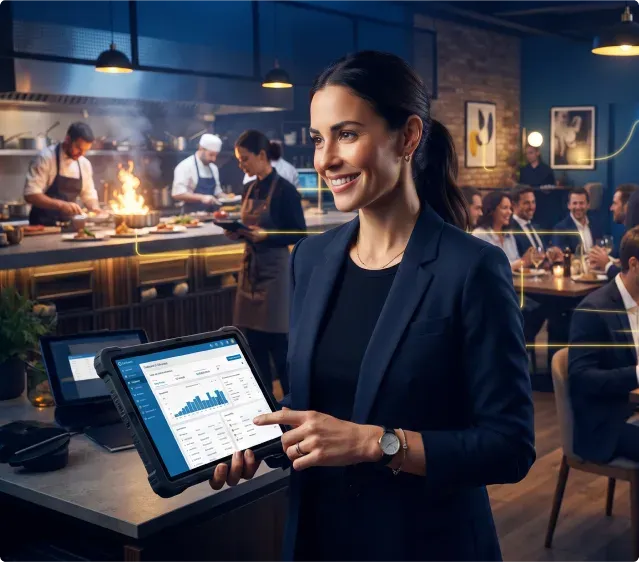
Restaurant Automation: A Look Behind the QR Code
From QR menus to kitchen systems, this breaks down how restaurant automation really works behind the scenes and why smarter workflows now shape the dining experience.
No buzzwords. Just systems that work.

From QR menus to kitchen systems, this breaks down how restaurant automation really works behind the scenes and why smarter workflows now shape the dining experience.

AI bots work best when tied to real workflows. Learn how small businesses use automation to save time, respond faster, and close more deals.

It’s not just food costs. UK restaurants are struggling due to broken systems and outdated operations. Here’s what’s actually going wrong.

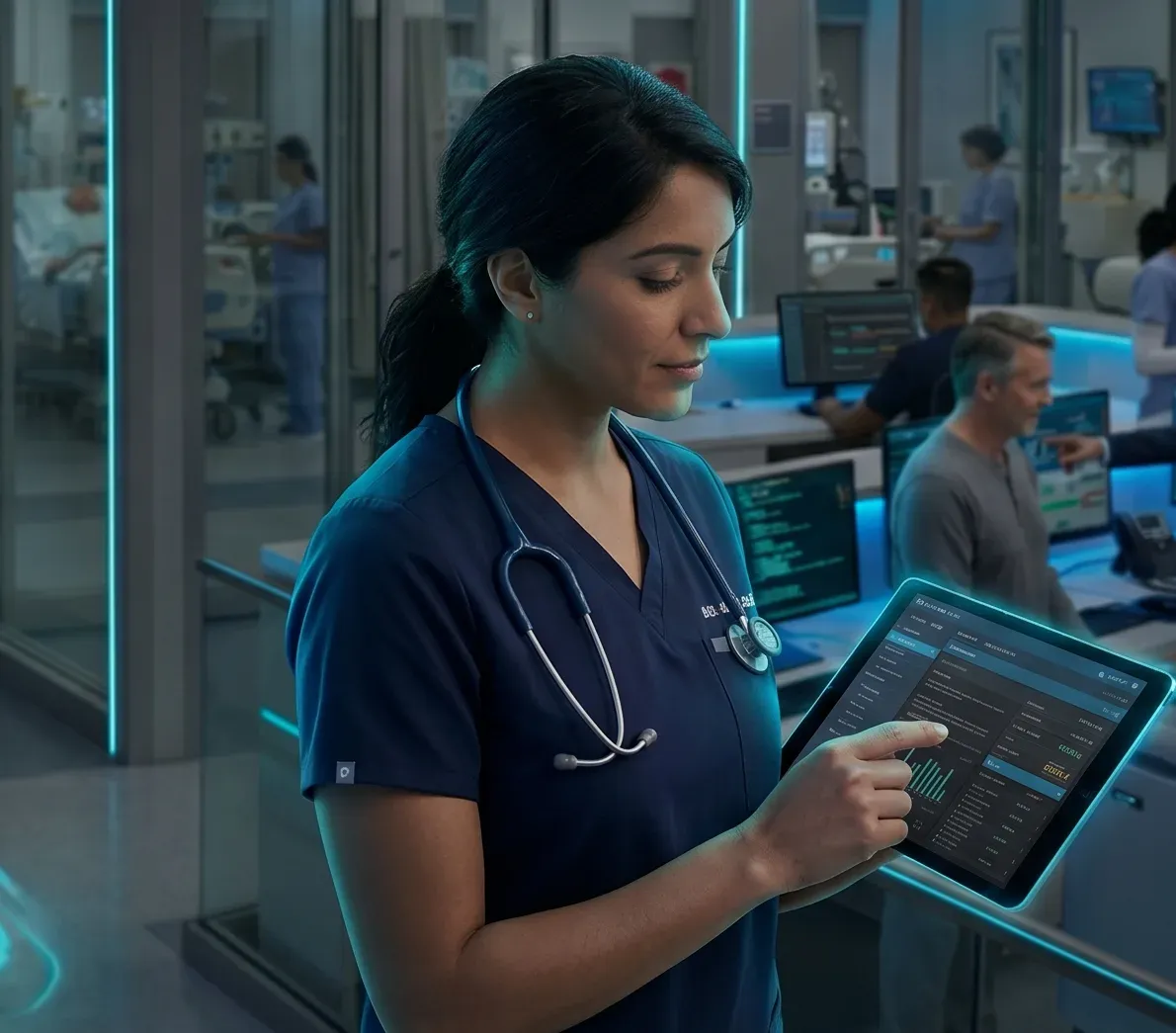
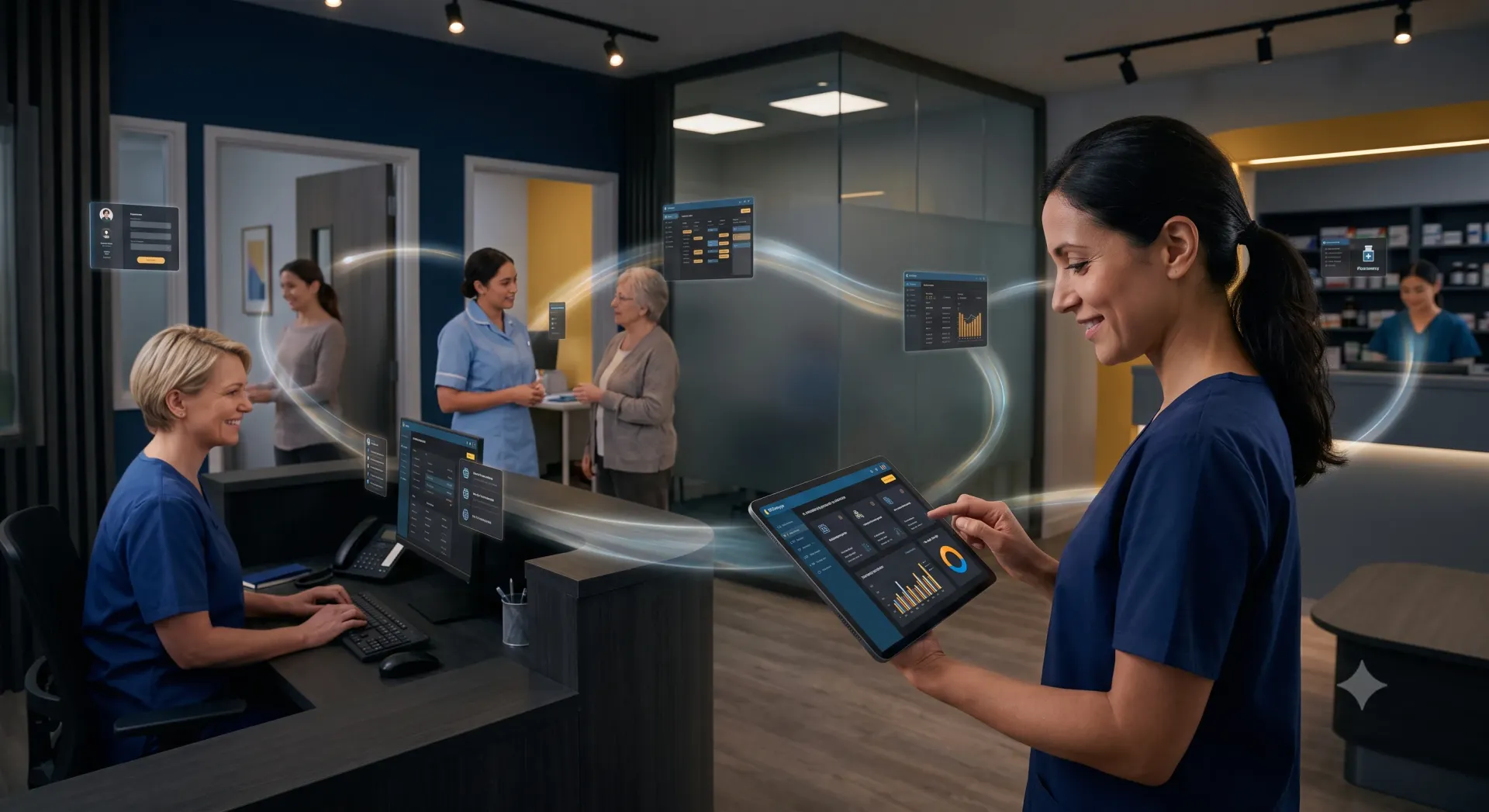
Administrative overload and fragmented systems are burning out healthcare teams. This article breaks down the real operational issues.

Rising costs and complexity are forcing UK businesses to rethink operations. Here’s why automation is becoming a necessity, not a luxury.

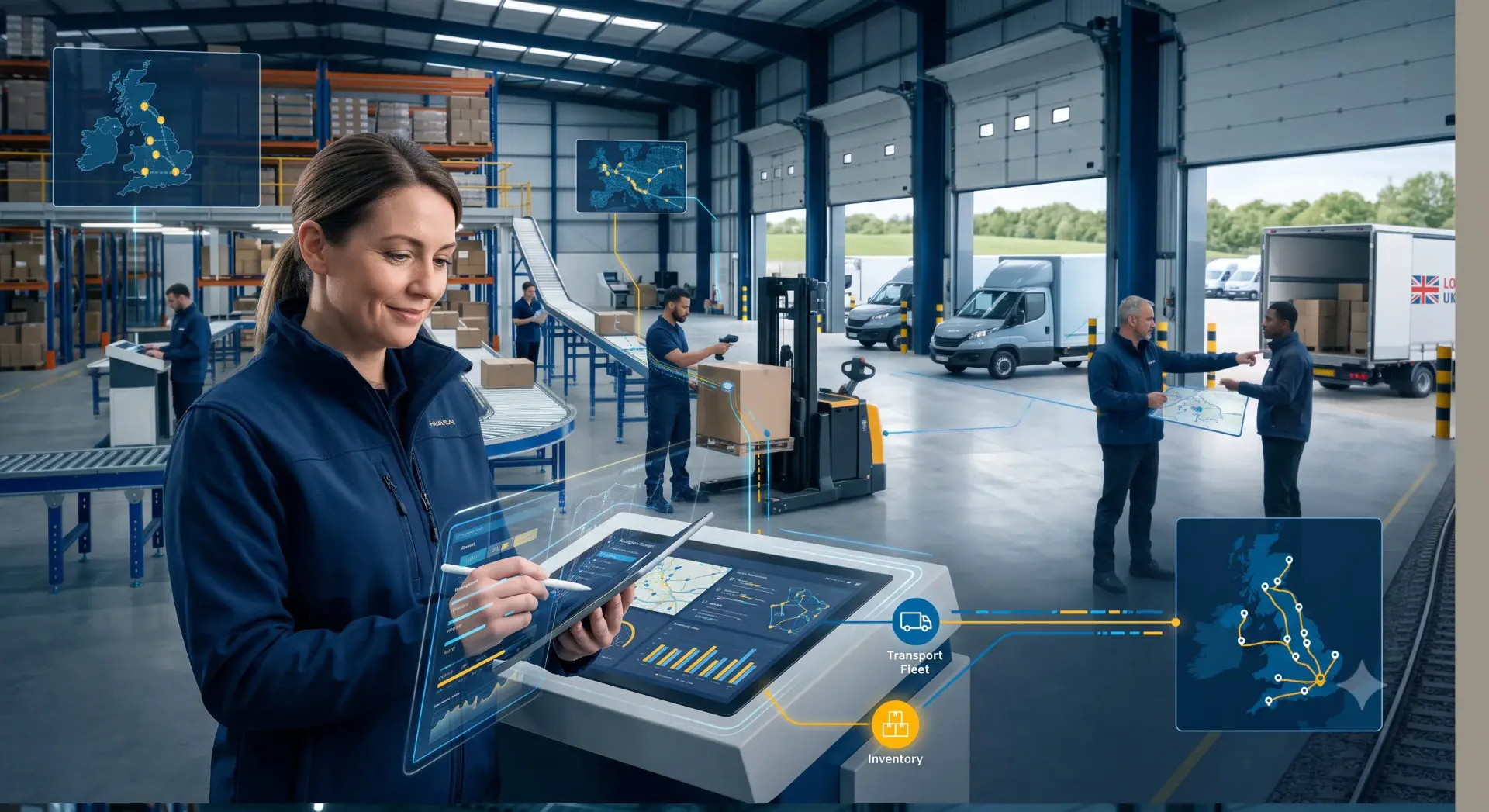
Demand is rising, but outdated systems still slow dispatch, visibility, and coordination. Here’s why UK logistics businesses struggle without better tech.

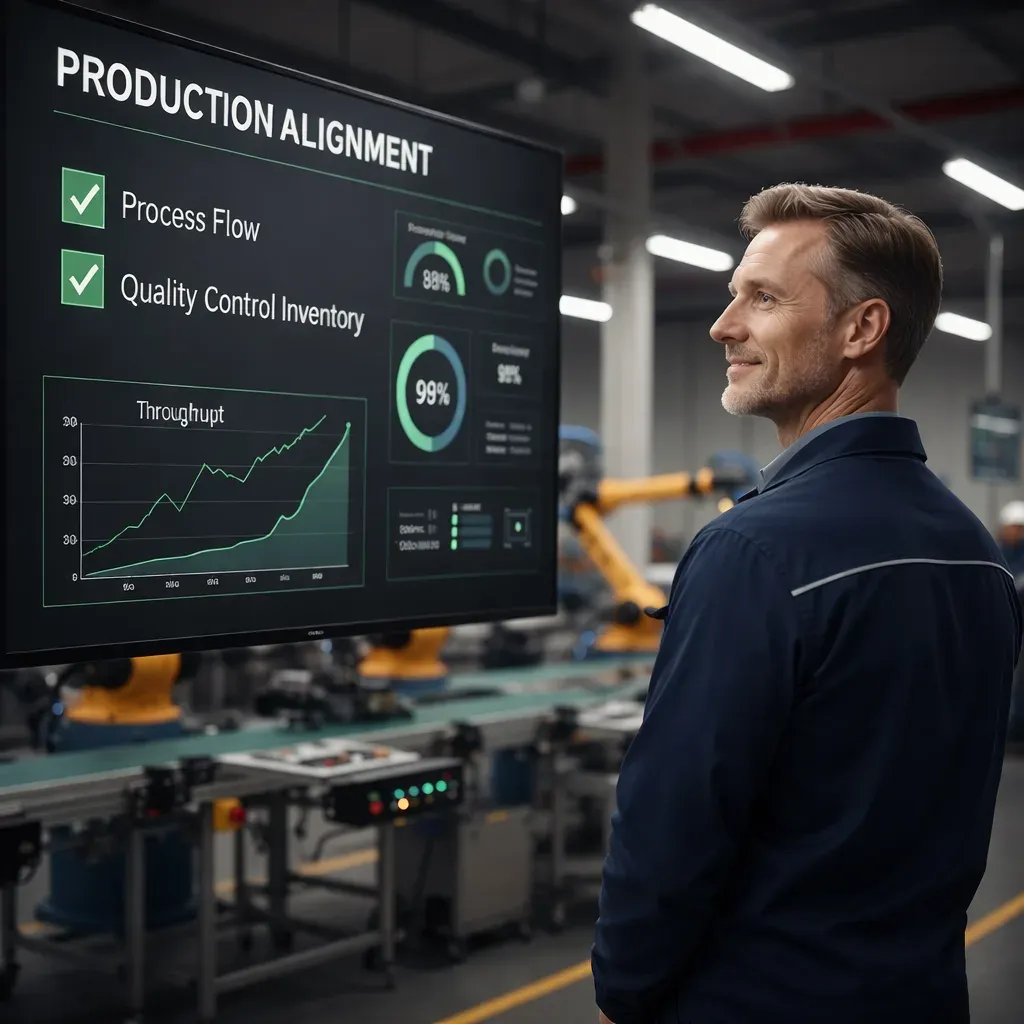
Many manufacturers are not losing margin on production quality. The real losses happen between planning, procurement, inventory, and delivery when disconnected systems create delays and expensive handoffs.

European hospitality teams are under pressure from thinner margins, higher guest expectations, and fragmented systems. The issue is rarely demand alone. It is the growing strain of running modern service on outdated workflows.

The companies that stay competitive in 2026 will not just work harder. They will remove the operational friction that slows teams down today, especially around customer response, visibility, manual work, and decision-making.

Many companies lose money every day through manual steps, context switching, poor visibility, and delayed coordination. It does not show up like a normal cost line, but it steadily reduces margin and performance.

Operational efficiency in 2026 will come less from working harder and more from protecting focus, simplifying handoffs, and using systems that reduce repeated effort across the day.

Business process automation matters because it removes the repeated manual steps that slow teams down every day. It is less about replacing people and more about making routine work move reliably.

After the first wave of AI hype, more companies are shifting toward custom automation that fits real workflows. The focus is moving from novelty to systems that solve repeated operational friction.

Supply chains are under more pressure to move quickly and clearly than ever before. Real-time visibility matters because delays hurt most when businesses notice them too late.

HR work has become more operationally complex, and generic HR tools often fail to match how teams actually handle onboarding, approvals, updates, and employee support. That is why more companies are moving toward custom HR automation.

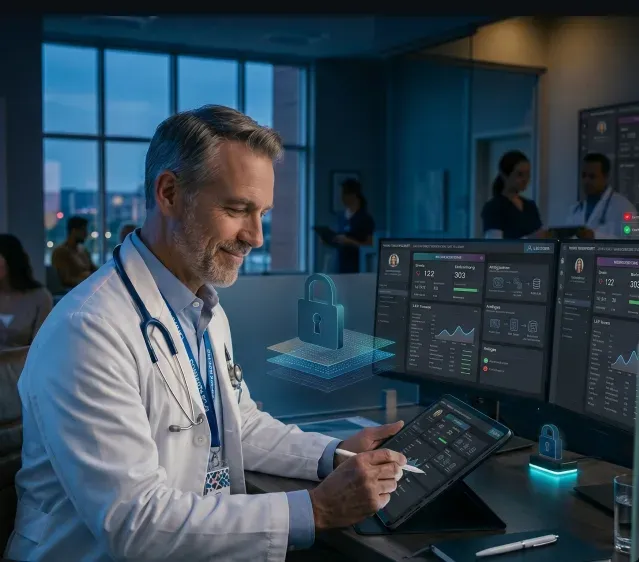
Healthcare teams need more than generic software. They need systems that reduce administrative drag, support scheduling and communication, and give teams clearer visibility without adding more disruption.

Manufacturing operations rarely fail because the factory floor stops moving. The bigger problems show up between planning, tracking, coordination, and visibility as scale exposes weak systems.

Modern logistics operations need more than dispatch tools. They need connected systems that keep shipment visibility, customer communication, warehousing, and planning aligned as complexity increases.

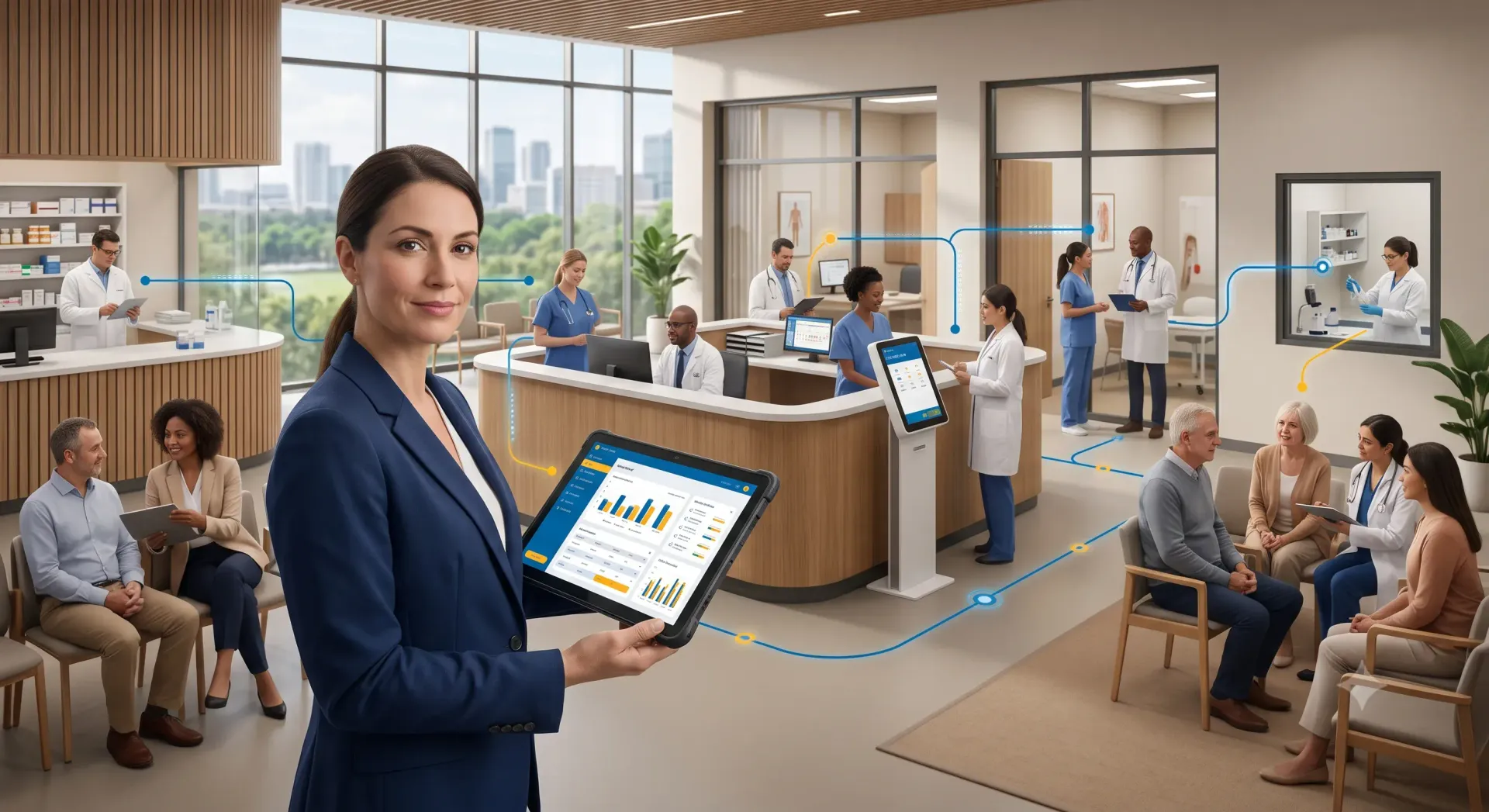
A practical guide for UK clinics and healthcare teams planning patient portal app development, from appointment workflows and secure documents to reminders, staff dashboards, and integration risk.

Medical mobile app development needs more than a feature list. UK healthcare teams should plan user roles, data handling, integrations, clinical workflows, support, and realistic release scope before building.

A practical cost guide for UK healthcare teams planning patient portals, medical mobile apps, clinic appointment apps, integrations, security, testing, and post-launch support.

A practical checklist for UK healthcare teams planning GDPR-aware healthcare apps, covering data minimisation, user roles, consent, security, audit trails, integrations, and support.

A practical guide to EHR and EMR integration for healthcare apps, covering API access, data flow, authentication, patient workflows, fallback handling, testing, and support.

A practical guide for UK hotels planning hotel app development, covering guest journeys, direct bookings, digital check-in, service requests, loyalty, PMS integration, and staff adoption.

A practical guide for UK restaurants planning ordering apps, covering menus, table ordering, takeaway, delivery, payments, POS integration, kitchen status, loyalty, and launch scope.
The Trudosys knowledge base covers practical software development and workflow automation guidance for operations-focused businesses.
Articles cover business process automation, custom software planning, mobile application development, healthcare, hospitality, manufacturing, and supply chain operations.
Trudosys publishes these software development and workflow automation insights.