

Medical Mobile App Development: What UK Healthcare Teams Should Plan

By Abhimanyu Singh
Senior Software Development Engineer (SSDE)
Quick Summary
A medical app should solve everyday problems, not create new ones. The strongest projects focus on making it easier for patients to access services and for healthcare teams to manage information efficiently. This guide explains what organisations in the UK should think about before starting a medical mobile app development project.
A patient can renew a prescription, book a train ticket, transfer money between bank accounts, and order groceries from the same device they carry in their pocket every day.
When they interact with a healthcare provider, they increasingly expect that experience to be just as straightforward.
That expectation is pushing more organisations to invest in medical mobile app development UK projects.
The aim is rarely to replace face-to-face care. More often, it is to remove unnecessary steps that waste time for patients and staff alike.
Many providers are also modernising their wider digital infrastructure through healthcare software initiatives.
Why Medical Mobile Apps Are Becoming More Common
The role of mobile technology in healthcare has changed. A few years ago, apps were often viewed as optional extras.
Today, many organisations see them as another way for patients to access services without adding pressure to reception teams or administrative staff.
Booking appointments, receiving reminders, updating details, or checking information can all happen through a mobile application.
For healthcare providers, that often means fewer repetitive enquiries and better visibility into patient interactions.
For patients, it simply feels more convenient.
The most successful projects usually start with one practical goal and expand from there.
Start With the Experience, Not the Feature List
When planning begins, there is a temptation to make a list of everything an app could possibly do. That approach rarely produces the best result.
A better question is: what keeps causing frustration today?
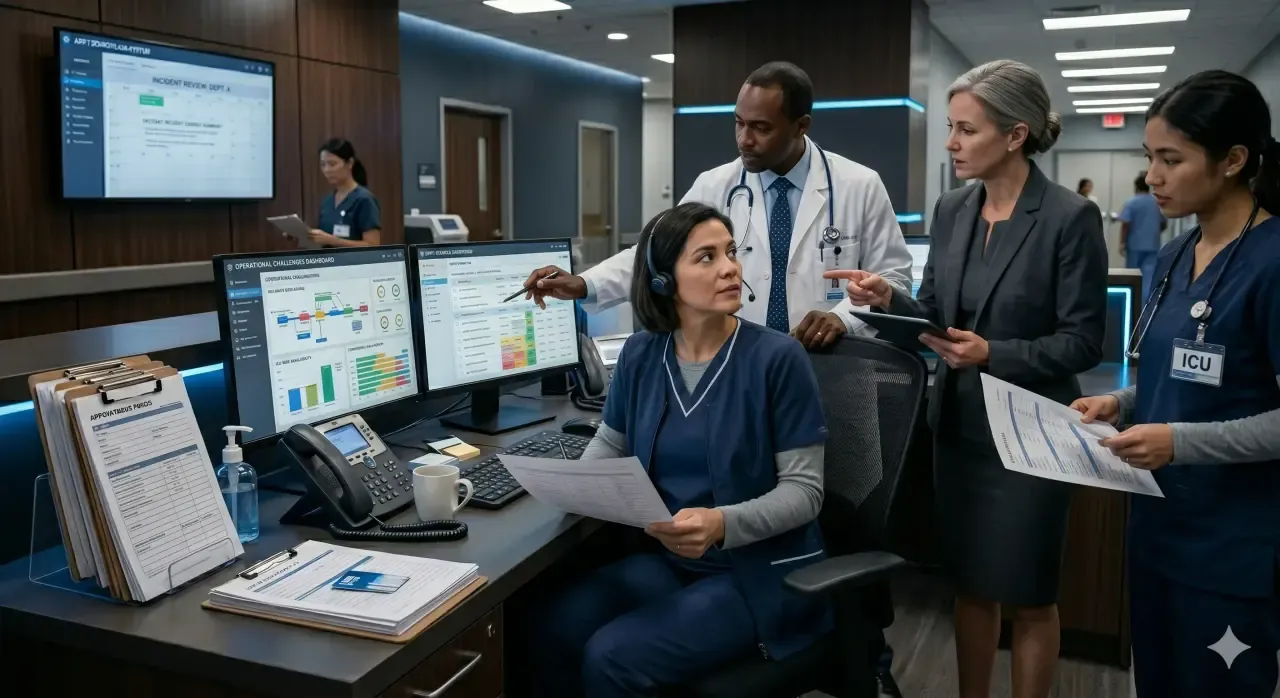
Perhaps patients struggle to confirm appointments. Maybe they need an easier way to upload documents. Perhaps reception staff spend hours answering the same questions every week.
Designing around those real situations leads to better decisions than chasing long feature lists.
Many organisations follow a similar philosophy when creating patient portals, giving people direct access to the information they use most often instead of sending them through multiple channels.
Small Improvements Matter to Patients
People often remember little moments more than major features.
Receiving a reminder at the right time. Finding directions without searching elsewhere. Seeing that a request has been received instead of wondering whether it went through.
Those details make healthcare interactions feel calmer and more organised.
A successful medical mobile app development UK project does not need to reinvent care delivery. Sometimes it simply removes avoidable friction that has existed for years.
The technology fades into the background, leaving a smoother experience in its place.
Make Sure the App Fits Your Existing Systems
One of the quickest ways for a project to lose momentum is by treating the mobile app as something separate from the rest of the organisation.
If staff still have to copy information between systems or update records in multiple places, the app may create extra work instead of reducing it.
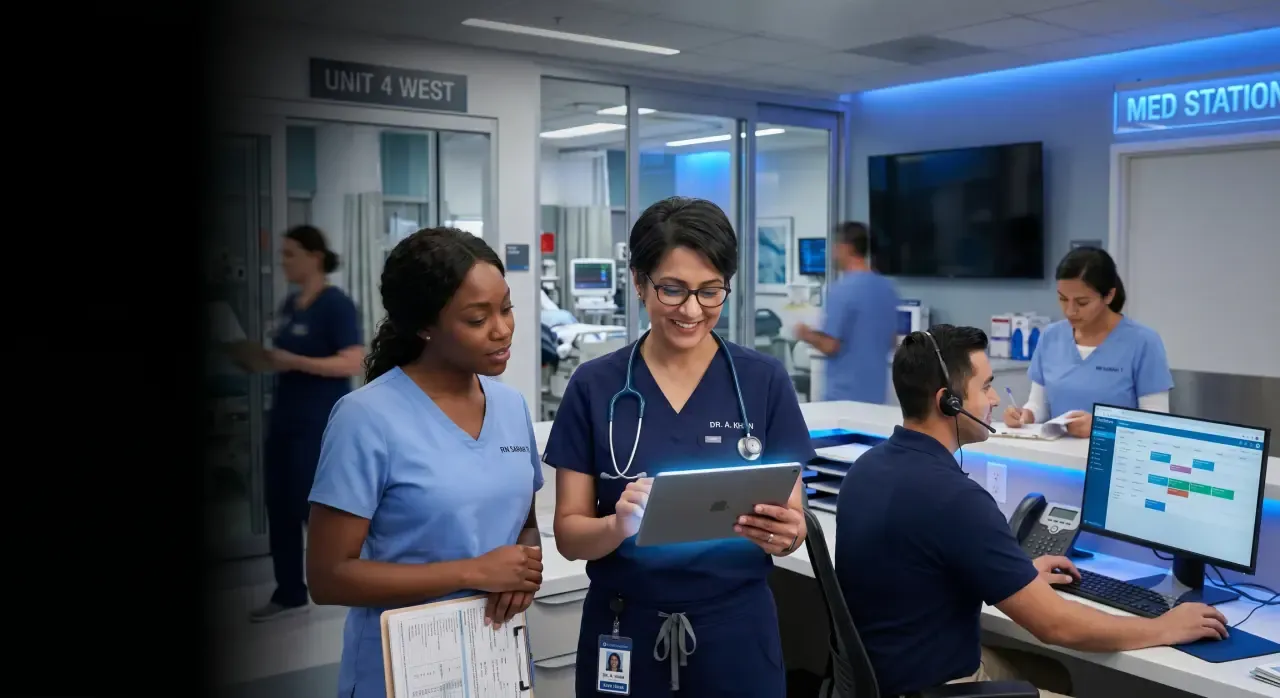
Medical apps often need to connect with appointment systems, patient records, document storage, notification tools, reporting workflows, or staff dashboards.
The NHS continues to encourage digital approaches that improve connected care and make information easier to use across services.
Build Security Into the Foundation
Healthcare organisations handle sensitive information every day, so trust matters.
Waiting until the end of development to think about privacy usually leads to difficult compromises.
Decisions around authentication, permissions, record keeping, and data handling shape the structure of the application from the beginning.
Before collecting patient information, organisations should also understand the responsibilities that come with storing and processing personal data.
Many development teams use guidance from the Information Commissioner's Office when reviewing their approach to privacy and governance.
A Smaller First Release Is Often the Better Choice
Projects have a habit of growing. Someone suggests adding messaging. Then reporting. Then analytics. Then another integration.
Eventually the original idea becomes much larger than planned.
Many successful healthcare apps avoid this by launching with a focused set of capabilities first.
Appointment management, notifications, secure sign-in, and patient profiles may be enough to start generating value.
Later improvements can be based on real usage instead of assumptions.
This gradual approach often produces a more stable product and gives teams confidence before expanding further.
Organisations taking this route frequently combine mobile initiatives with broader software modernisation projects.
Where Trudosys Fits In
Healthcare providers rarely operate in exactly the same way.
Some manage specialist clinics. Others coordinate large multidisciplinary teams or provide ongoing patient support outside traditional appointments.
Trudosys builds software around those existing workflows rather than forcing organisations into a one-size-fits-all model.
Mobile applications can be planned alongside reporting, communication, integrations, and operational processes so they support the way people already work.
Healthcare-focused services are available here:
Frequently Asked Questions
Final Thoughts
People do not download healthcare apps because they want another icon on their phone.
They download them because they expect something to become easier.
Perhaps they want to check an appointment without making a call. Perhaps they need a quicker way to receive updates or complete routine tasks.
The strongest medical mobile app development UK projects succeed because they respect people's time.
They simplify ordinary interactions and quietly remove obstacles that no longer need to exist.
Many of the same ideas can also be seen in wider workflow improvement efforts, where better-connected systems help organisations spend less time on administration and more time delivering care.
Sources

Abhimanyu Singh
Senior Software Development Engineer (SSDE)
Abhimanyu Singh is a Senior Software Development Engineer with approximately four years of experience building and maintaining mobile, web, and enterprise applications. His expertise spans Flutter, Android, application architecture, and cloud integrations. He has contributed to task management, work order, reporting, and document processing systems, with a focus on maintainable code, application performance, and dependable user experiences. His work across React, TypeScript, and backend integrations gives him a practical understanding of software delivery from interface development through production support.
LinkedIn