Why Companies Are Switching to Custom HR Automation Software in 2026
Quick answer
HR work has become more operationally complex, and generic HR tools often fail to match how teams actually handle onboarding, approvals, updates, and employee support. That is why more companies are moving toward custom HR automation.
Frequently asked questions
What is the main takeaway from "Why Companies Are Switching to Custom HR Automation Software in 2026"?
HR work has become more operationally complex, and generic HR tools often fail to match how teams actually handle onboarding, approvals, updates, and employee support. That is why more companies are moving toward custom HR automation.
Who published "Why Companies Are Switching to Custom HR Automation Software in 2026"?
Trudosys published this article on 2026-03-27.
HR teams have always handled more than people realize. Hiring, onboarding, attendance, payroll inputs, leave tracking, compliance, internal requests, and constant coordination with managers. For years, this work was handled through emails, spreadsheets, and basic tools that barely talked to each other.
As businesses move toward 2026, this setup is starting to crack. Teams are leaner. Expectations are higher. Employees expect clarity and quick responses. Leadership expects clean data and smoother operations. Generic HR software helps to a point, but many companies are finding that it doesn’t fit how their HR processes actually work.
This is why more businesses are switching to custom HR automation software.

HR work has become operationally complex
HR is no longer just about hiring and payroll. It sits at the center of daily operations. Every time a new hire, role change, approval, or request touches multiple teams. These processes end up getting handled manually or across a couple of disconnected tools, and small delays initially turn into daily frustration.
An onboarding task gets missed. Attendance data doesn’t sync correctly. Leave approvals get stuck. Managers ask HR for updates that should be visible already.
None of this happens because teams are careless. It happens because systems are not designed around real HR workflows.
Generic HR tools don’t match real processes
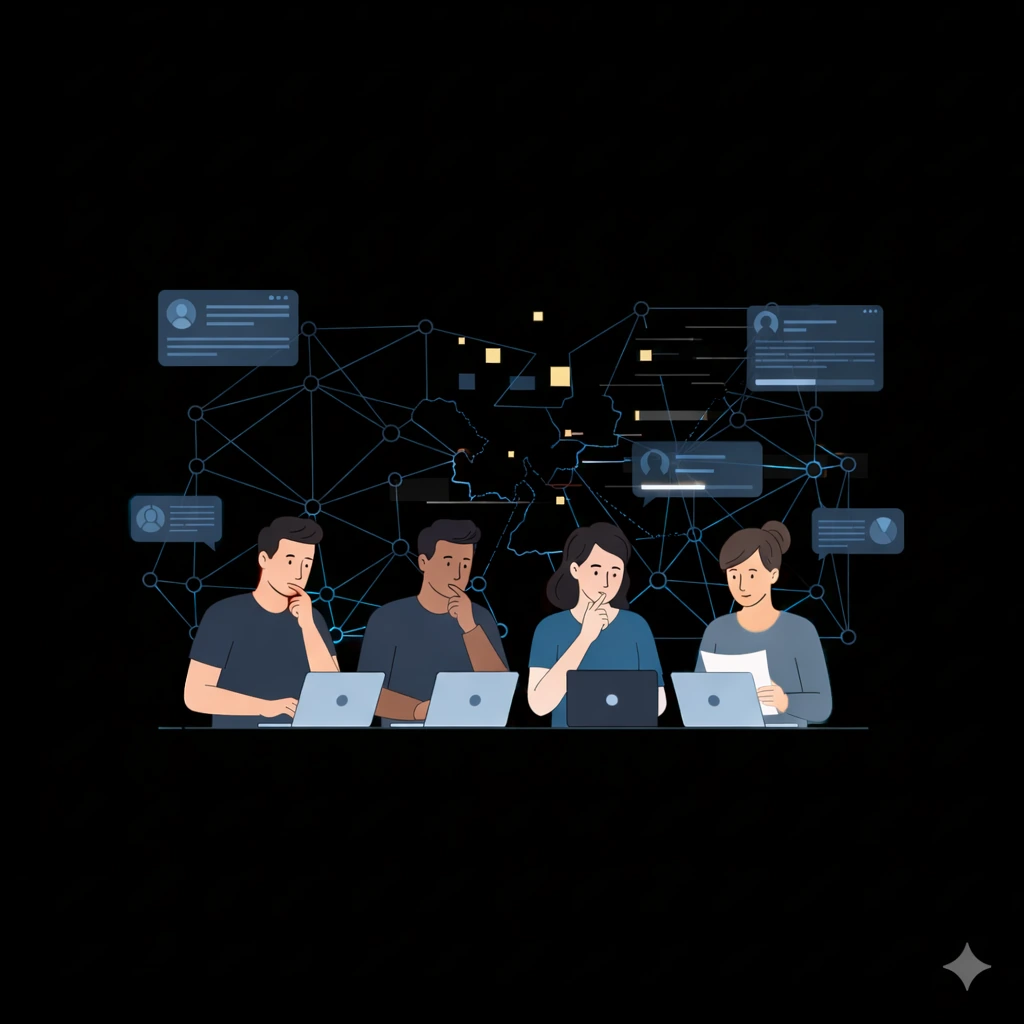
Most off-the-shelf HR tools are built for an ideal setup. Standard hiring flows. Fixed approval chains. Simple attendance rules. In reality, every company operates differently.
Some businesses have multiple approval layers. Some run shift-based attendance. Some need custom onboarding steps depending on role or location. When HR tools don’t support this, teams create workarounds.
Spreadsheets come back. Manual tracking continues. Automation exists, but only on paper.
Custom HR automation solves this by adapting to how HR actually functions inside the organization.
Automation reduces HR workload without removing control
There’s a common fear that automation takes control away from HR teams. In practice, it does the opposite.
Routine tasks like attendance calculations, leave balance updates, document sharing, reminders, and status updates can run automatically. HR doesn’t lose visibility. They gain time.
Instead of chasing information or fixing avoidable issues, teams can focus on hiring quality candidates, supporting employees, and improving internal processes.
Automation doesn’t replace HR judgment. It protects it.
Employees expect faster and clearer HR experiences
Employees today expect the same clarity from HR systems that they get from consumer apps. They want to check leave balances easily. They want updates on requests without sending follow-ups. They want onboarding steps to be clear and timely.
When HR systems are slow or unclear, trust drops quietly. Employees don’t escalate. They disengage.
Custom HR automation improves this experience by making information accessible and actions predictable. Employees know where things stand without needing to ask.
5. HR data becomes reliable and usable
Leadership decisions rely on HR data. Hiring trends. Attrition patterns. Attendance issues. Performance cycles. When data lives across tools or is updated manually, it loses reliability.
Custom HR automation brings data into one system that reflects actual operations. Reports become meaningful. Planning becomes easier. Compliance becomes simpler and easier to manage.
This clarity matters even more as companies scale and teams become distributed across.
Where Trudosys Fits In
Trudosys helps firms by building custom HR automation software based on how businesses really operate. Instead of forcing HR teams into a set of predefined workflows, systems are designed around existing processes for better scale.
Hiring pipelines, onboarding steps, attendance logic, approvals, employee requests, and reporting are connected into one smooth flow. Routine tasks run in the background. HR teams stay in control without being overloaded.
The result is an HR system that feels robust, easy, and supportive instead of being restrictive.
In 2026, companies that treat HR as an operational function, not just an administrative one, will move faster and manage people better. Custom HR automation makes that possible by removing friction and giving teams the clarity they need to work well.