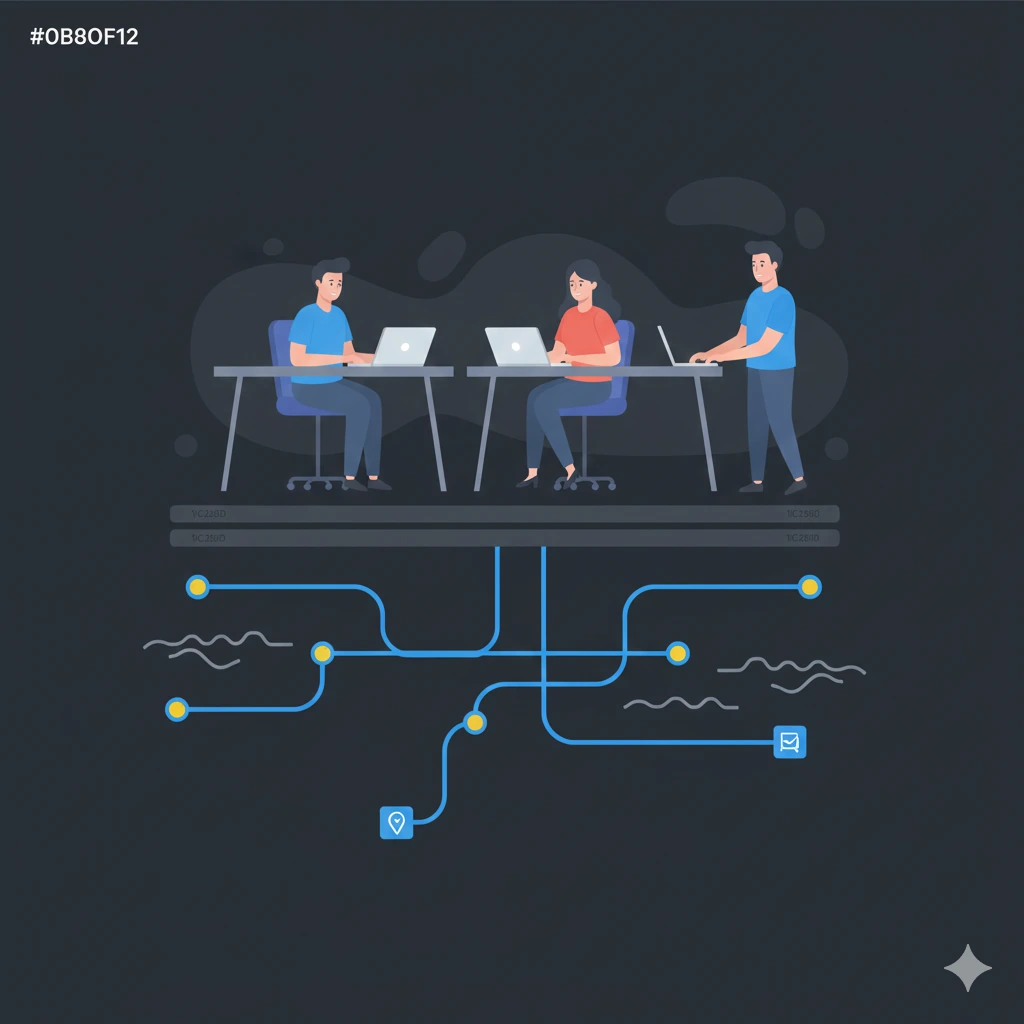
How Businesses Can Improve Operational Efficiency in 2026
Quick answer
Operational efficiency in 2026 will come less from working harder and more from protecting focus, simplifying handoffs, and using systems that reduce repeated effort across the day.
Frequently asked questions
What is the main takeaway from "How Businesses Can Improve Operational Efficiency in 2026"?
Operational efficiency in 2026 will come less from working harder and more from protecting focus, simplifying handoffs, and using systems that reduce repeated effort across the day.
Who published "How Businesses Can Improve Operational Efficiency in 2026"?
Trudosys published this article on 2026-03-22.
A lot of businesses are making quiet changes right now. Nothing flashy. No big announcements. Just small decisions that add up over time. Fewer shortcuts. Fewer patch fixes. More attention to how work actually moves inside the company.
This shift isn’t coming from pressure or panic. It’s coming from experience. Teams have learned that being busy all day doesn’t always mean anything important got done. Things move, but not always forward. Once that clicks, the focus starts to change.
1. Being busy stopped feeling productive
For a long time, packed calendars felt like progress. Messages flying around. Meetings back to back. Everyone is replying quickly. On the surface, it looked like momentum.
But slowly, people noticed something else. Days were full, yet the same work kept dragging on. Decisions took longer. Projects stretched. Teams were tired without feeling accomplished.
Instead of asking people to move faster, some businesses started asking a different question. Where does work actually slow down? Where does it get stuck? What keeps breaking focus? That shift alone changed how teams experienced their day.
Most workflows weren’t designed; they just happened
In many organizations, processes grew randomly. Someone added a tool to fix one issue. Someone else created a spreadsheet to handle another. Over time, work started bouncing between systems in ways no one fully understood.
Only a few people knew how things really worked. Everyone else just followed along.
Now, more teams are stepping back and mapping things out properly. Not in a fancy way. Just asking simple things. Where does this task start? Who needs to see it next? What actually decides when it’s done? Once those answers are clear, a lot of confusion disappears on its own.
Good tech stopped trying to be impressive
Another thing that’s changing is how technology shows up in daily work. The best systems don’t shout for attention anymore. They don’t interrupt. They don’t need constant checking.
They just sit there and do their job.
Tasks move forward without reminders. Information shows up where it’s needed. People stop chasing updates because the update is already there. It doesn’t feel dramatic, but after a while, teams realise they’re spending less energy fixing small things.
Focus is finally being protected
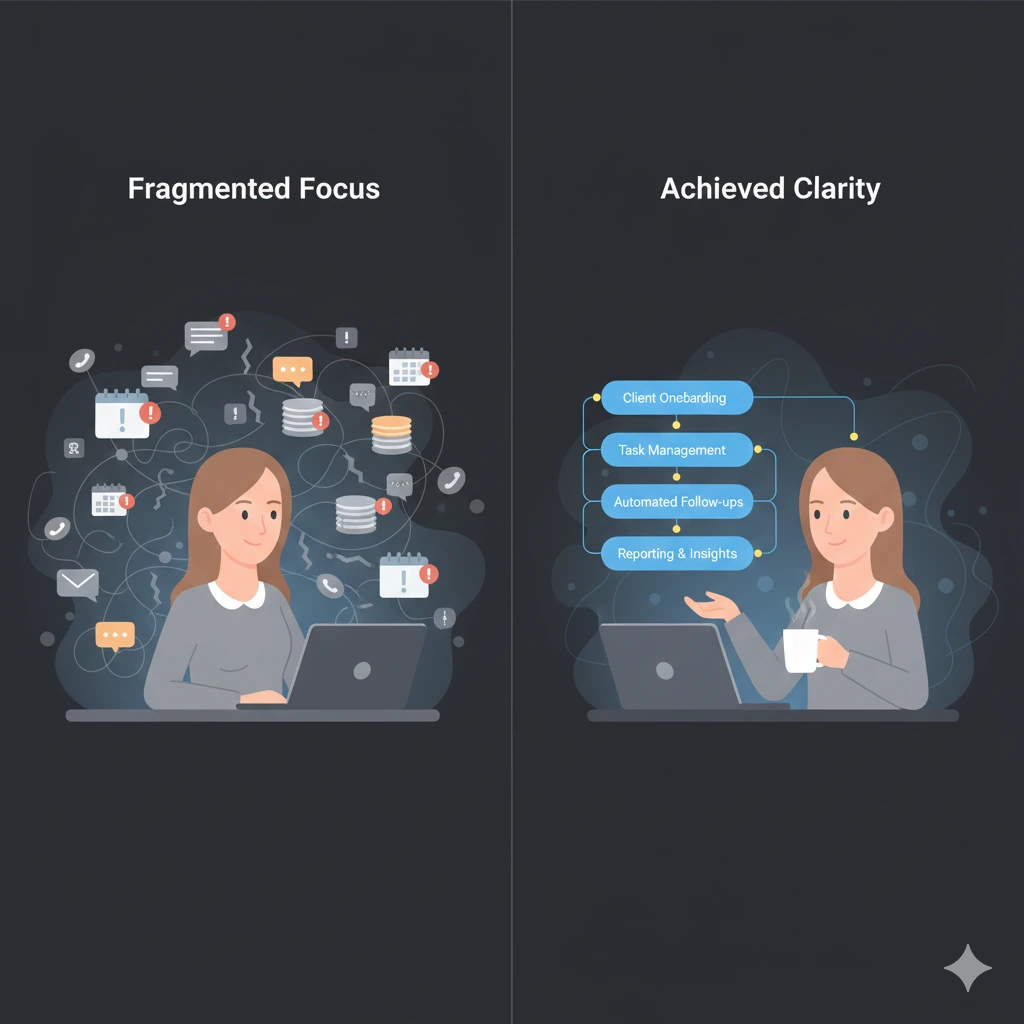
Most people don’t struggle because the work is hard. They struggle because the work keeps getting broken up. A message here. A quick check there. A reminder about something unrelated.
Businesses are starting to take this seriously. They remove steps that don’t need to exist. They automate the boring, repetitive parts. They reduce the number of places people need to look.
When that happens, people get real stretches of time to think and finish what they start. Work improves naturally. Not because anyone is pushing harder, but because they’re not constantly switching gears.
5. Decisions get lighter when visibility improves
When information lives in different places, decisions feel heavier than they should. People hesitate. They wait. They ask around. Not because they don’t want to decide, but because they’re not confident they’re seeing everything.
Updates come late. Context gets lost. By the time the full picture appears, the moment to act has already passed.
That’s why more businesses are focusing on visibility. When everyone can see what’s happening without asking for it, decisions stop feeling forced. They happen earlier. They feel calmer. People move forward without second-guessing themselves.
6. Growth feels different when the foundation is solid
Growth used to mean pushing ahead and dealing with the mess later. Now, many businesses are more careful.
They now check if their systems can handle more work before taking it on blindly. They look at where things might break if volume increases. This doesn’t slow growth down. It makes it steadier. Teams feel more confident saying yes because they trust what’s underneath.
Where Trudosys Fits In
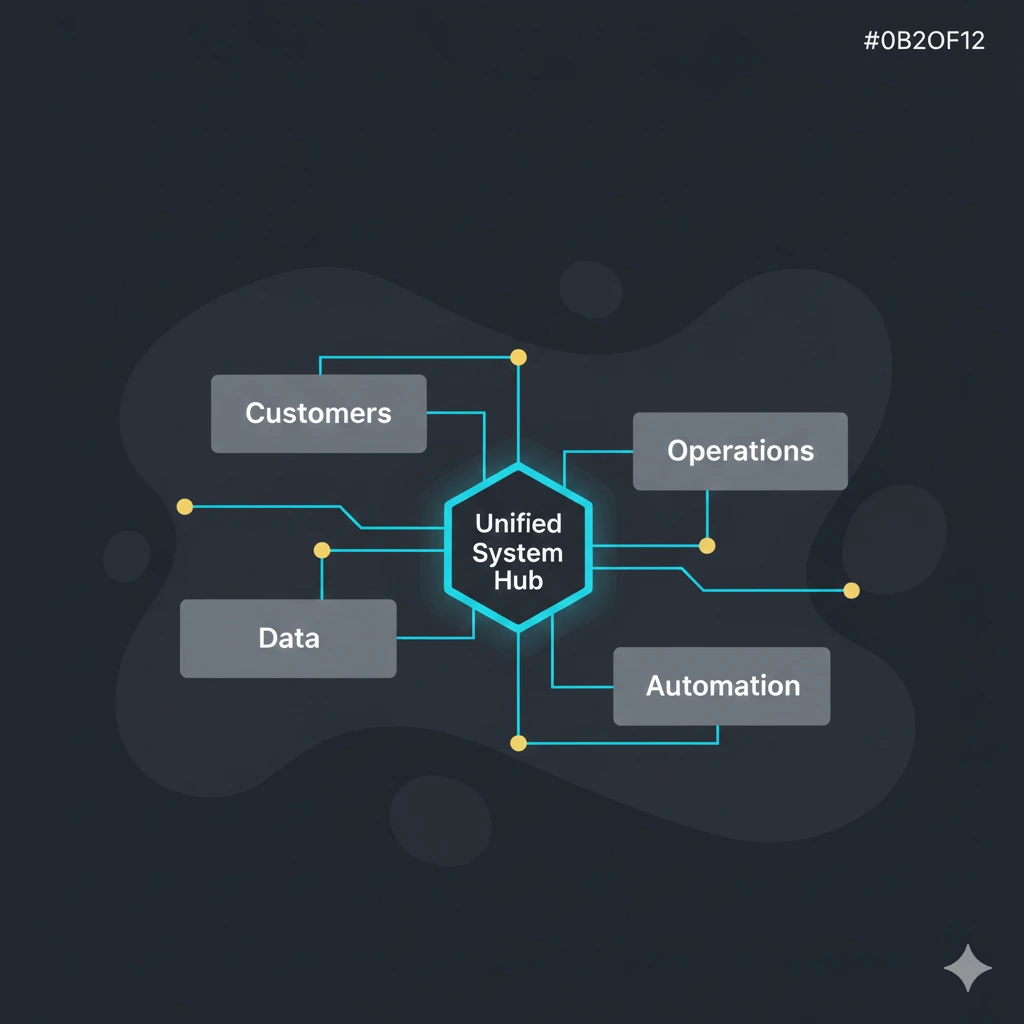
As businesses look closely at how work really flows, many realize their tools don’t match reality. Trudosys helps by building custom systems around how teams already work. Not how a template expects them to work.
Routine tasks get handled automatically. Information moves cleanly between people. Visibility improves without adding complexity.
The goal isn’t to force change. It’s to support the way people already work and quietly remove the friction that slows them down.
The businesses that move into 2026 with confidence won’t be the loudest ones. They’ll be the ones who fixed the basics and let everything else build on top of that.