Custom Logistics Management Software for Modern Supply Chains in 2026
Quick answer
Modern logistics operations need more than dispatch tools. They need connected systems that keep shipment visibility, customer communication, warehousing, and planning aligned as complexity increases.
Frequently asked questions
What is the main takeaway from "Custom Logistics Management Software for Modern Supply Chains in 2026"?
Modern logistics operations need more than dispatch tools. They need connected systems that keep shipment visibility, customer communication, warehousing, and planning aligned as complexity increases.
Who published "Custom Logistics Management Software for Modern Supply Chains in 2026"?
Trudosys published this article on 2026-03-30.
Logistics businesses rarely struggle because trucks stop moving. The real problems usually appear behind the scenes. Someone doesn’t know where a shipment is. A route change doesn’t reach dispatch in time. Inventory data doesn’t match what actually left the warehouse.
These gaps slow things down long before anyone notices.
As logistics operations grow, the number of moving parts increases quickly. More shipments, more drivers, more routes, more customers asking for updates. When coordination depends on phone calls, spreadsheets, or disconnected tools, the system becomes fragile.
This is why more logistics companies are investing in custom logistics management software as they prepare for 2026.

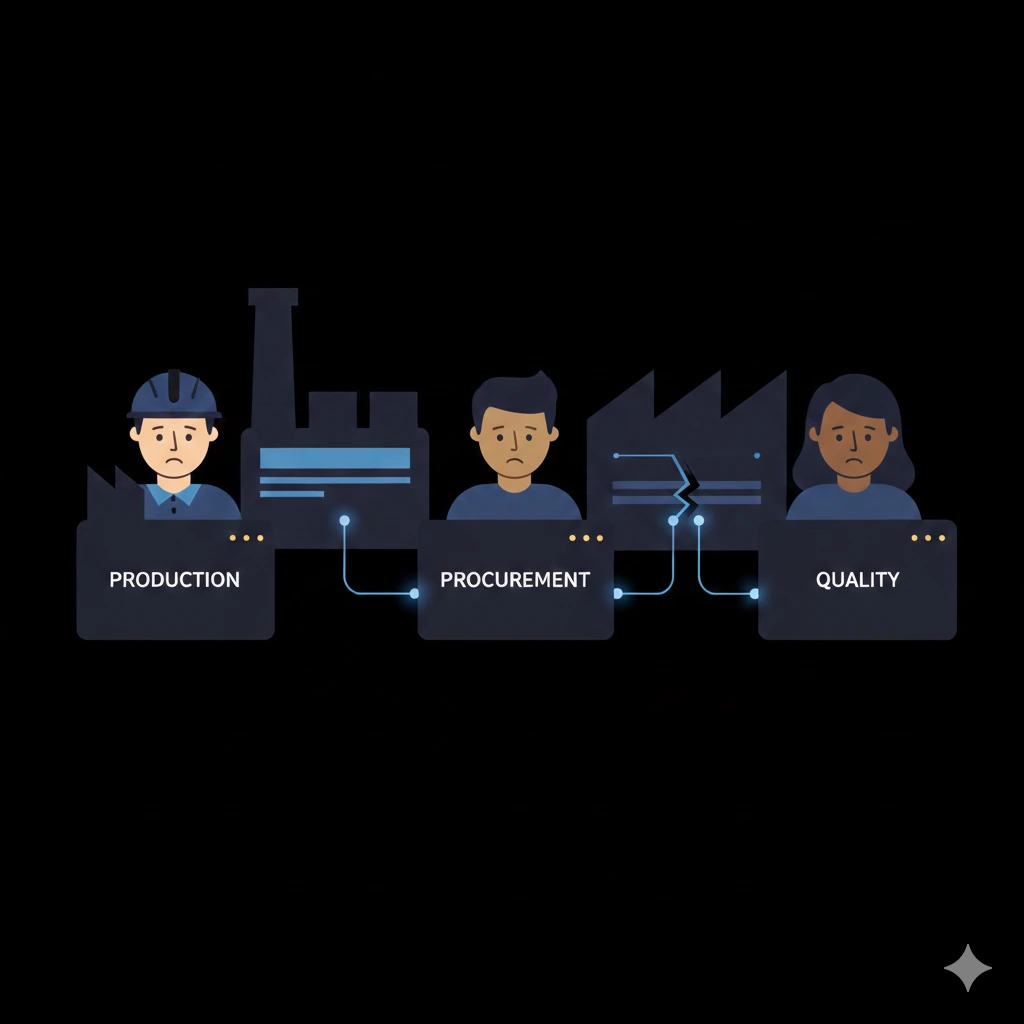
Logistics Operations Break Between Systems
A typical logistics operation touches several different functions. Dispatch, warehousing, route planning, customer communication, and reporting all depend on each other.
When each team uses separate tools, information travels slowly.
Dispatch may not know the real status of a shipment. Warehouse teams may not see updated delivery schedules. Customer service teams may not have accurate tracking information.
The result is constant checking and rechecking. Custom logistics management software connects these operational steps so information moves with the shipment itself, not through separate conversations.
Real-Time Shipment Visibility Changes Daily Operations
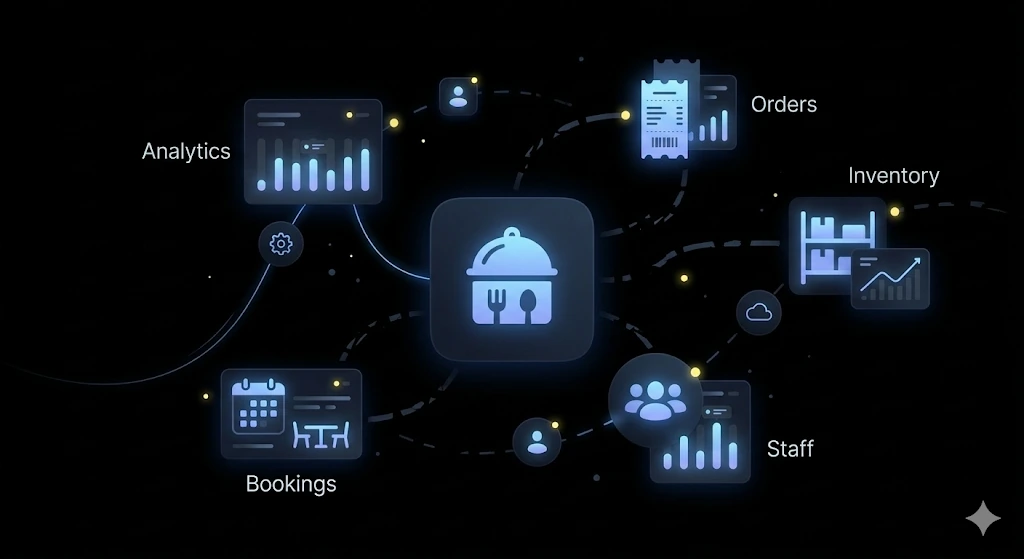
One of the biggest advantages of modern logistics software is visibility.
When shipments update in real time, teams stop guessing. Dispatch knows where vehicles are. Managers see delays before they affect customers. Drivers receive route updates without waiting for instructions.
This visibility improves decision-making across the operation.
Instead of reacting to problems after they appear, teams can adjust earlier. A delayed shipment can trigger a reroute. A warehouse can prepare for arrivals more accurately. Customer updates become clearer.
The entire operation becomes calmer.
Planning becomes stressful when data lags reality
Production planning sounds strategic on paper. In reality, it’s often emotional. When numbers are outdated, planners feel like they’re guessing. When capacity isn’t clear, commitments feel risky. When schedules change late, teams feel blamed even if the data was wrong to begin with.
Good planning doesn’t require perfect conditions. It requires information that reflects what’s actually happening right now.
When systems update as work happens, planning stops feeling like a gamble. It becomes a series of informed adjustments instead of last-minute reshuffles.
Generic manufacturing software creates silent resistance
A lot of factories have tried “industry standard” software. It usually looks good in demos. Clean dashboards. Nice terminology. Standard workflows.
Then it hits the floor.
The approvals don’t match reality. The quality steps are too rigid. The way shifts work isn’t supported properly. Exceptions require workarounds.
So people adapt. They use the system for reporting and go back to their own methods for actual work. The software exists, but it’s not trusted. That’s the worst outcome, because now two systems are running in parallel.
Real improvement only happens when the software bends to the operation, not the other way around.
5. Visibility reduces tension more than speed ever will
One of the biggest changes better systems bring is emotional, not technical. When teams can see what’s happening, they relax.
When supervisors know where things stand, they stop micromanaging. When managers have real numbers, meetings get shorter.
People don’t need everything to be perfect. They need to know what’s real.
Visibility doesn’t mean more dashboards. It means fewer surprises. Problems show up earlier. Conversations become calmer. Fixes happen before things spiral.
That alone changes how a factory feels day to day.
Growth exposes weak systems very fast
A manufacturing operation can run on effort for a long time. Growth is what exposes cracks.
More orders mean more coordination. More products mean more tracking. More people mean more handovers.
If systems are already stretched, growth feels dangerous. Leaders hesitate, not because demand isn’t there, but because they know the operation can’t absorb the load without chaos.
Strong systems don’t make growth easy. They make it survivable.
Where Trudosys Fits In
Trudosys works with manufacturing businesses that already know their problems aren’t theoretical. Things are running, but they’re harder to run than they should be.
Instead of selling a generic platform, systems are built around how the factory actually operates. How production flows. How inventory moves. How approvals really happen. How people communicate when things don’t go as planned.
Tracking updates as work happens. Information moves without being chased. Teams see the same reality instead of arguing over versions.
The goal isn’t to digitize manufacturing. It’s to make it easier to manage.
Manufacturing in the next few years won’t be won by the factories that work harder. It’ll be won by the ones that stop relying on memory, manual checks, and heroics to keep things moving. Better systems don’t replace experience. They protect it.